Peak Seaon, Peak Risk
Harvest is the highest-stakes stretch of the year for grain elevators, co-ops, and ag processors. Truck scales and hopper scales that sit idle for most of the year suddenly run at full capacity, cycling hundreds of loads a day. When those scales drift out of tolerance during peak load, the cost isn’t abstract. It shows up as disputed loads, inaccurate settlement weights, and slower turnaround at the pit.
Why Peak Load Exposes Weak Calibration
Right now, truck scales and hopper scales that sit underused most of the year are running around the clock. Trucks are cycling through at all hours, hoppers are loading continuously as grain moves from field to storage to rail, and that volume doesn’t pause for a maintenance window. A scale that read accurately in July can behave differently three weeks into sustained, heavy, nonstop traffic. Small mechanical issues, a shifted load cell, debris under a checkering plate, a loose junction box connection, get amplified under that kind of continuous load. The scale doesn’t fail outright. It drifts, and drift is harder to catch than failure because the readout still looks normal to the operator watching it every ten minutes.
What to Watch for While Scales Are Already Running
With harvest underway, there usually isn’t a clean window to pull a scale offline for a full inspection. That’s the reality on the ground, not a planning failure. What matters now is catching drift while the scale stays in service:
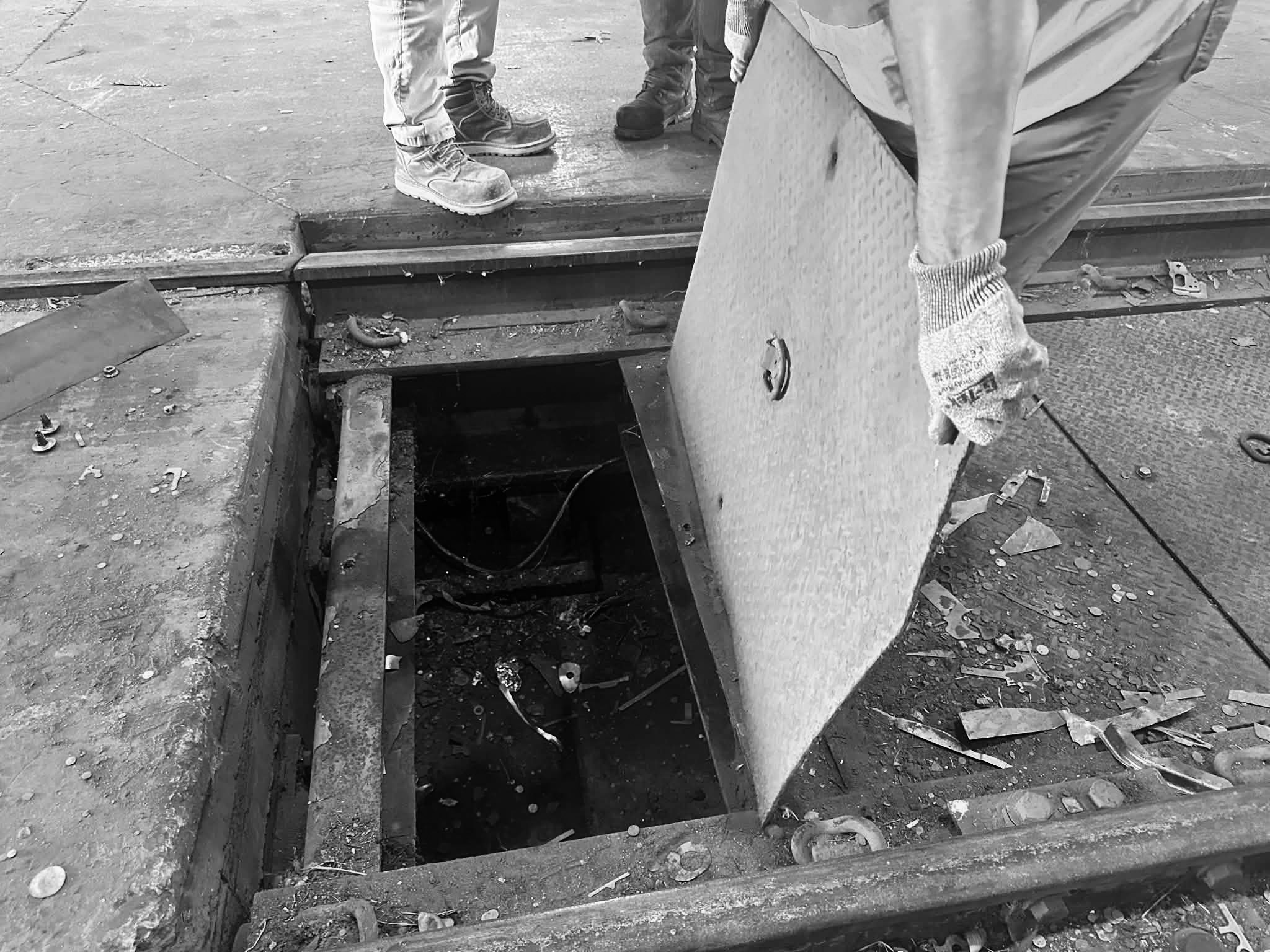
Watch for small, repeated discrepancies between ticket weights and expected loads, since that pattern shows up before an outright failure does. Keep an eye on approach ramps and the deck for debris buildup from the volume of trucks moving through. Flag any junction box or cabling that’s been exposed to dust, moisture, or vibration for longer than usual. If something looks off, get a technician out for an in-season check rather than waiting for a slower month, since a scale can usually be verified and adjusted without pulling it fully offline for long.
This is also why service needs to be available on the elevator’s schedule, not a vendor’s business hours. A scale that starts drifting at 2 a.m. during a harvest push doesn’t wait for a Monday appointment.
The Cost of Getting It Wrong
Inaccurate weighing during harvest hits in two directions. Overweight readings shortchange the grower on settlement. Underweight readings shortchange the buyer, and at scale, that adds up fast across thousands of loads. Beyond the direct dollar impact, a scale that’s out of tolerance can trigger disputes that slow down the line at exactly the moment throughput matters most. NTEP-legal-for-trade scales also carry a compliance obligation. A scale found out of tolerance during a state inspection can mean downtime at the worst possible time of year.
Why 24/7 Support Matters More Than a Pre-Season Checklist
Once harvest starts, the operations that avoid costly disputes are the ones with a service provider who can respond in-season, at odd hours, without waiting days for a callback. Documented calibration history still matters for legal-for-trade compliance and for resolving any dispute quickly, but the more immediate need during peak weeks is a technician who can get to the scale fast, day or night, and get it back in tolerance without stopping the line for longer than necessary.
If a truck or hopper scale is showing signs of drift right now, that’s not a next-quarter problem. It’s a this-week problem.
System Scale provides 24/7/365 service for grain and agricultural scales across the Midwest and southern United States. If your truck or hopper scales are showing signs of drift during harvest, request emergency service and we’ll get a technician out.