Do You Really Need ISO/IEC 17025 Accredited Calibration, or Is Standard Calibration Enough?
Whether you need ISO/IEC 17025 accredited calibration depends on who’s going to ask to see the paperwork, not on whether your equipment measures correctly. Accredited calibration adds independent, third-party verification of the calibration process itself: an accreditation body auditing the provider’s methods, uncertainty calculations, and quality system. Traceable, non-accredited calibration confirms your equipment is accurate and linked back to a national measurement standard, without that added layer of independent oversight. Both are legitimate. The right one depends on what your quality system, contract, or auditor actually requires.
What non-accredited, traceable calibration actually gets you
A technician calibrates your equipment against a traceable reference standard and hands you a certificate confirming it’s in tolerance, linked back to a national measurement standard. For a large share of industrial equipment, that’s exactly the right level of service; it’s accurate, it’s traceable, and it’s sufficient for internal quality control, routine maintenance, and plenty of customer requirements that specify traceability without specifying accreditation. What it doesn’t include is independent verification of the calibration process itself, meaning an accreditation body hasn’t audited the provider’s methods, uncertainty budget, or quality system on that specific scope of work. If nothing outside your walls ever asks for that independent layer, traceable calibration is doing exactly the job it’s meant to do. It is not a lesser service. It is a differently scoped one.
What ISO/IEC 17025 accreditation adds
ISO/IEC 17025 is the international standard for calibration and testing laboratory competence. A provider holding it has been assessed by an independent accreditation body, typically A2LA or ANAB in the US, against requirements covering technical competence, measurement traceability, and quality management. The accreditation is not self-declared. It is verifiable at the accrediting body’s website, scope document included, which is exactly what an auditor will check.
The practical output is a calibration certificate that states measurement uncertainty, traces every reference back to NIST or an equivalent national standard, and identifies the accredited provider and scope explicitly. That certificate stands on its own in front of an ISO 9001 auditor, an FDA inspector, or a customer’s quality team, without anyone needing to take the provider’s word for the process behind it.
How to know which one you actually need
Quality Managers: Start with what your quality system actually requires. ISO 9001 requires measurement traceability when it’s necessary, but it doesn’t automatically require ISO/IEC 17025 accredited calibration. Your industry standard, internal QMS, customer requirements, or contracts may go further. If accreditation is required, make sure the calibration you’re purchasing falls within the provider’s accredited scope. The goal is to match the calibration to the requirement, not assume more documentation is always better.
Plant Managers: The difference usually isn’t what you see in day-to-day operation. It’s the level of documentation and verification behind the calibration. The exposure can show up later, when a customer audit or documentation request requires accredited calibration and the certificate on file doesn’t meet that requirement.
Procurement: Start with the requirement before comparing price. If the contract, customer specification, or quality system calls for accredited calibration, a traceable non-accredited calibration won’t meet it. If traceability is all that’s required, paying for accredited calibration may add documentation you don’t actually need. Confirm the requirement first, then purchase the level of calibration that matches it.
The honest tradeoff
Accredited calibration typically costs more and can take longer, because the provider is documenting and standing behind the process itself, not just the result. That’s not a knock on traceable, non-accredited calibration. For equipment with no audit exposure, no customer quality requirement naming accreditation specifically, and no regulatory touchpoint, traceable calibration is the appropriately scoped service, not a compromise. The question that actually decides it is not “which is cheaper,” it’s “what does the specific entity asking for this certificate require.”
How System Scale handles this
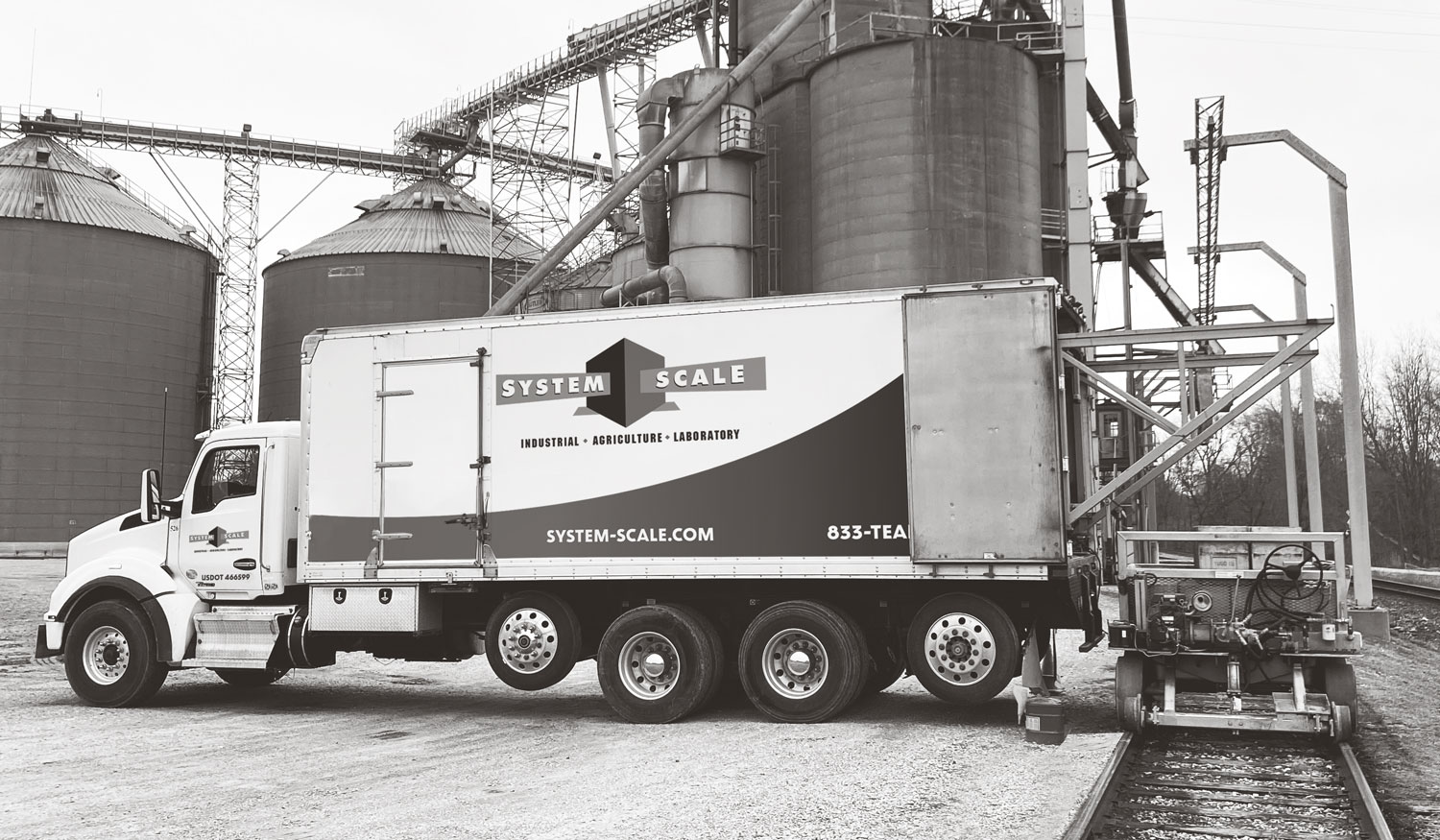
System Scale provides both ISO/IEC 17025 accredited and traceable, non-accredited calibration services. We provide accredited calibration both on-site and through our accredited laboratories. Once you’ve determined your calibration requirements, we can provide the appropriate service and documentation to match.